Home/Blog/Tech/Meta brings Android’s Cuttlefish virtual device framework natively to Apple Silicon Macs
Software engineeringConfirmed
Meta brings Android’s Cuttlefish virtual device framework natively to Apple Silicon Macs
Meta's engineering team has enabled Android's Cuttlefish virtual device framework to run natively on Apple Silicon, providing a significant boost for Android developers on macOS.
Published November 14, 20262 min readSoftware engineering
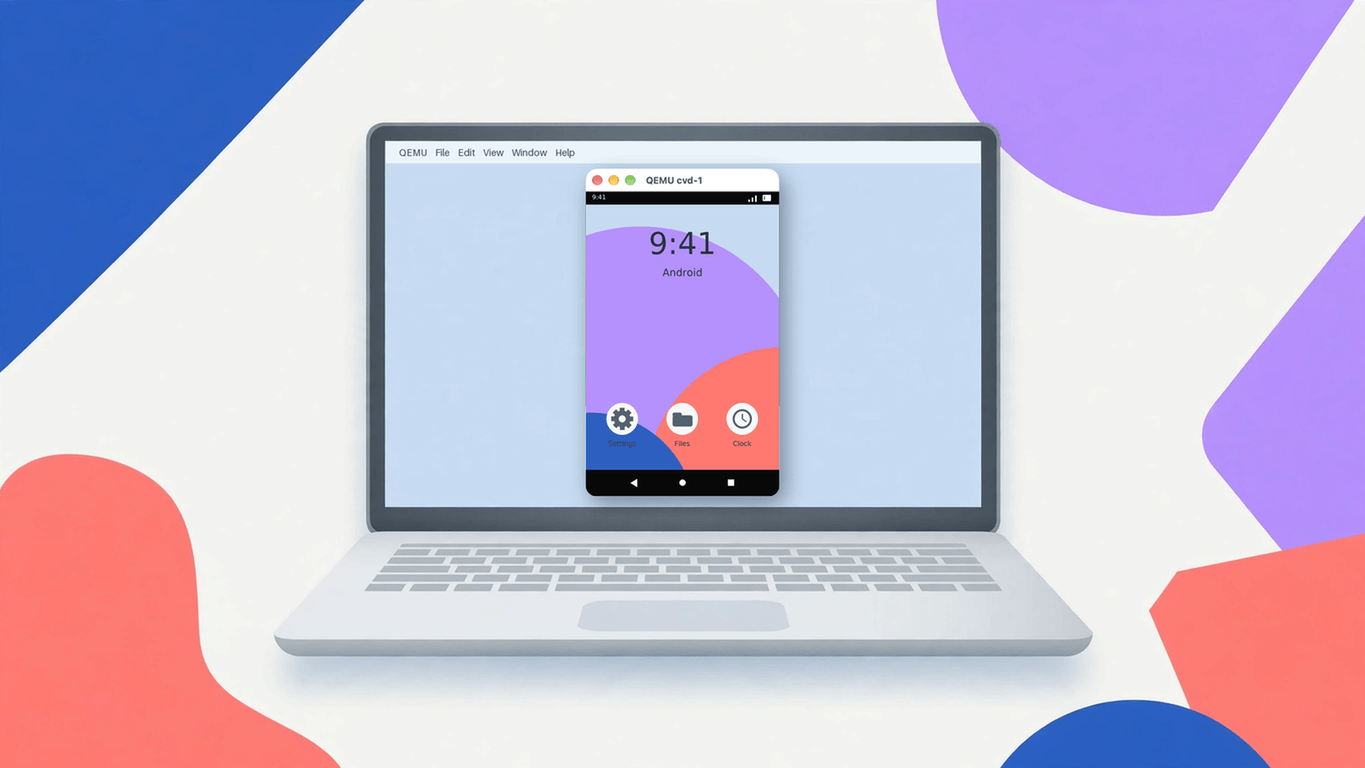
On November 13, 2026, Meta's Reality Labs announced that it has successfully enabled Android's Cuttlefish virtual device framework, along with its QEMU backend, to run natively on macOS and Apple Silicon. Cuttlefish is recognized as Android's official virtual device framework.
This development allows for the direct execution of Cuttlefish on Apple Silicon-powered Macintosh computers, leveraging the native architecture of these systems.
Technical analysis
Cuttlefish serves as a critical component in the Android development ecosystem, providing virtual Android devices for testing and development purposes. Traditionally, Cuttlefish has been designed to operate primarily on Linux environments, relying on QEMU (Quick EMUlator) for hardware emulation. QEMU is an open-source virtualization technology capable of performing hardware virtualization and emulation across different architectures. The challenge of bringing Cuttlefish to macOS, particularly to Apple Silicon, stems from the architectural shift from x86 to ARM and the distinct virtualization frameworks available on macOS compared to Linux.
The achievement of running Cuttlefish and its QEMU backend natively on Apple Silicon signifies a substantial engineering effort. 'Native' execution on Apple Silicon implies that the software components, including the QEMU emulator, have been adapted to directly utilize the ARM-based instruction set and the specific virtualization capabilities provided by macOS, such as Hypervisor.framework. This approach bypasses the need for Rosetta 2, Apple's dynamic binary translator for running x86 applications on Apple Silicon, which can introduce performance overhead. Instead, the system directly interacts with the underlying hardware, optimizing for the ARM architecture.
The practical engineering consequences for Android developers utilizing Apple Silicon Macs are significant. Running virtual Android devices natively on the host architecture typically results in improved performance. This includes faster boot times for virtual devices, more responsive user interface interactions within the emulated environment, and quicker execution of automated tests. Such performance enhancements can directly reduce iteration cycles during development, allowing engineers to test changes more rapidly and efficiently.
Furthermore, native execution on Apple Silicon can lead to more efficient resource utilization. By avoiding translation layers or the overhead of running Cuttlefish within a separate Linux virtual machine on macOS, the system can potentially consume less CPU and memory. This efficiency can free up host machine resources, enabling developers to run other applications concurrently without significant performance degradation. The integration with the macOS environment is also enhanced, streamlining the overall developer workflow by removing the complexity associated with managing disparate operating environments or emulation layers.
This advancement provides a more cohesive and performant development experience for Android engineers who prefer or are required to use Apple Silicon Macs. It addresses a long-standing need for robust, high-performance Android virtualization on this hardware platform, aligning the developer toolchain more closely with the capabilities of modern Apple hardware. While specific performance benchmarks or detailed architectural modifications made to QEMU for this native port were not disclosed, the fundamental shift to native execution on ARM inherently points towards these benefits based on established virtualization principles.
 Software engineeringConfirmed