Technical analysis
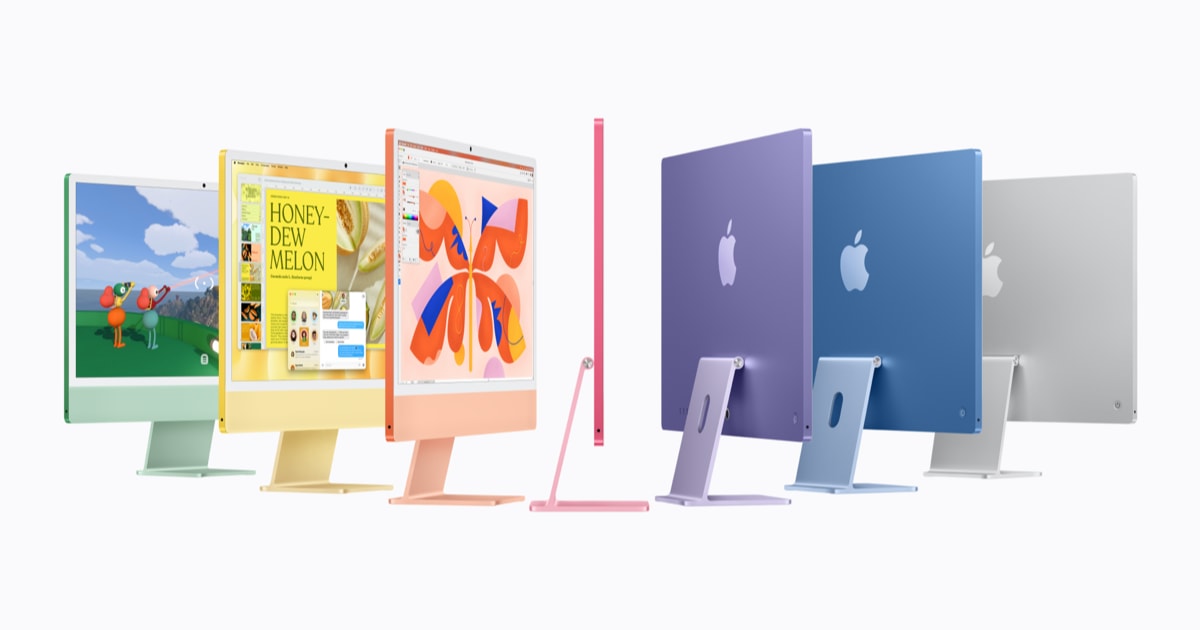
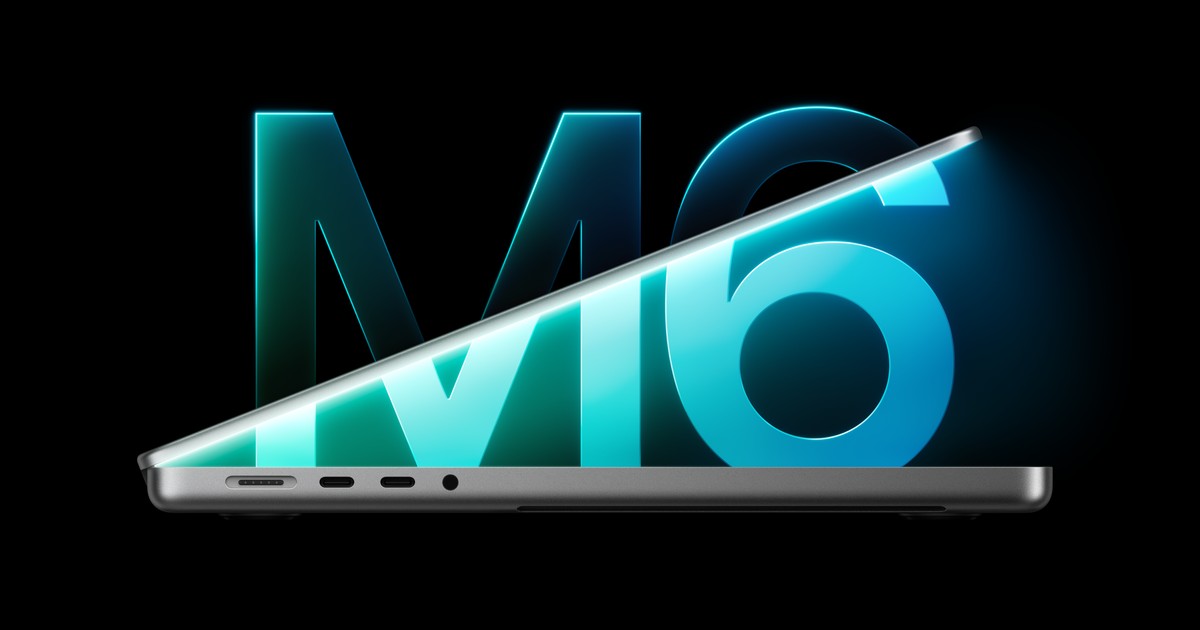
The introduction of the M6 chip in the 14-inch MacBook Pro and iMac models marks the latest iteration in Apple's custom silicon development. This consistent hardware evolution, characterized by integrated CPU, GPU, and specialized accelerators, has historically provided a stable and powerful platform for software engineers. The M6's confirmed attributes—enhanced performance, powerful on-device AI capabilities, and advanced connectivity—suggest a continued focus on improving user experience and expanding the scope of applications that can run efficiently on Apple's consumer hardware.
The stated 'enhanced performance' of the M6 chip, while not quantified with specific metrics, implies a general uplift in processing capabilities across the board. For software engineers, this typically translates to faster application execution, reduced compilation times for large codebases, and improved responsiveness for resource-intensive tasks such as video encoding, 3D rendering, and complex data analysis. This incremental performance gain allows developers to build more sophisticated applications or to achieve existing performance targets with greater efficiency, potentially freeing up resources for additional features or improved user interfaces. The consistent performance trajectory of Apple Silicon generations enables developers to target a powerful baseline, optimizing their software for a known and capable hardware environment.
A significant aspect of the M6 chip is its 'powerful on-device AI capabilities.' This refers to the chip's ability to execute artificial intelligence and machine learning workloads directly on the device, rather than relying on cloud-based services. This architectural choice has several practical engineering consequences. Firstly, it enhances user privacy by keeping sensitive data local to the device, reducing the need to transmit it over networks for processing. Secondly, on-device processing drastically reduces latency, as network round-trips are eliminated. This is critical for real-time AI applications, such as live transcription, augmented reality filters, or instantaneous image recognition, where even milliseconds of delay can degrade the user experience. Thirdly, it enables AI features to function reliably even when the device is offline or has an unstable internet connection, broadening the utility of AI-powered applications in various environments. For developers, this means a more robust platform for integrating AI, potentially reducing operational costs associated with cloud inference and opening up new possibilities for applications that require high responsiveness, strong privacy guarantees, or offline functionality. Developers leveraging Apple's existing machine learning frameworks, such as Core ML, can infer that their models will benefit from the M6's dedicated AI acceleration, leading to faster inference times and more efficient power consumption for AI tasks.
The M6 chip's support for 'faster connectivity,' specifically Wi-Fi 7 (802.11be) and Bluetooth 6, also presents notable implications for software engineering. Wi-Fi 7 is designed to offer significantly higher throughput, lower latency, and improved efficiency in congested wireless environments compared to previous standards. For applications, this translates to faster large file transfers, smoother high-resolution video streaming (e.g., 4K/8K), and more responsive experiences for cloud gaming or virtual/augmented reality applications that rely on local network streaming. Developers building applications that involve substantial data synchronization, local network communication, or high-bandwidth media consumption can leverage these improvements to deliver a more seamless and performant experience. Bluetooth 6, as the next iteration of the standard, is expected to bring enhancements in areas such as bandwidth, power efficiency, and connection reliability. This can enable more sophisticated interactions with wireless peripherals, faster data transfer to accessories, and more stable connections for audio devices or sensor networks. Engineers developing applications that interface with a wide range of Bluetooth-enabled devices can anticipate a more robust and capable wireless communication layer, potentially supporting new categories of connected experiences.
In summary, the M6 chip's integration into the 14-inch MacBook Pro and iMac reinforces Apple's strategy of vertical integration, where hardware and software are designed to work in concert. The combination of enhanced general performance, dedicated on-device AI acceleration, and advanced wireless connectivity standards provides a more capable foundation for developers. This platform encourages the creation of applications that are more private, responsive, and capable of handling complex tasks locally, while also improving interactions with the broader digital environment through faster and more reliable wireless communication. Developers are positioned to leverage these advancements to push the boundaries of what is possible on consumer devices, particularly in areas like AI-driven features and high-bandwidth networked applications.
 Chips and computing hardwareConfirmed